



In recent years, technological advancements have propelled virtual realities to the forefront of both entertainment and business sectors. In 2025, the integration of virtual reality (VR) into everyday life has become more seamless and impactful, with numerous industries adopting this technology for innovative applications.
The gaming industry, traditionally the leader in VR development, has continued to push boundaries with immersive experiences that defy the limitations of physical reality. Companies like Kajot are spearheading this revolution, creating platforms that offer not just enhanced gaming interactions but also social environments where users can engage with others globally.
Beyond gaming, virtual reality is making significant inroads into sectors such as healthcare, education, and real estate. In healthcare, VR is being utilized for training simulations, allowing medical professionals to practice procedures without risk. Likewise, hospitals are deploying VR to assist with patient rehabilitation, creating tailored programs that improve patient engagement and recovery times.
In education, VR is transforming classrooms into interactive learning environments. Schools and universities are adopting VR to provide experiential learning opportunities that would otherwise be impossible due to logistical constraints. This technology enables students to conduct virtual field trips, explore historical events firsthand, and engage in interactive science experiments, significantly enhancing their educational experiences.
The real estate market has embraced virtual reality to offer prospective buyers live tours of properties without geographical limitations. By donning a VR headset, buyers can explore homes in detail, visualize renovations, and even experience different lighting scenarios, all from the comfort of their current location.
However, the rapid adoption of virtual realities also raises critical concerns. Issues such as data privacy, digital addiction, and the socio-economic divide challenge the sustainable growth of VR technologies. Policymakers and technology providers must work collaboratively to create frameworks that address these issues while fostering innovation.
In conclusion, as we navigate through 2025, the potential of virtual realities seems boundless. The challenge remains in leveraging this technology responsibly to maximize its benefits across sectors, ensuring everyone has equal access to this digital frontier. Companies like Kajot, coupled with thoughtful innovation and policy-making, are pivotal in crafting a future where virtual realities enhance the human experience.
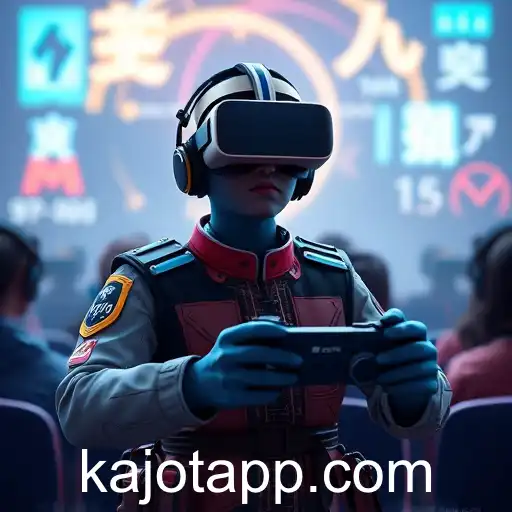
Explore how Kajot is transforming the online gaming landscape in 2025 with innovative features and immersive experiences.

A deep dive into how platforms like Kajot are shaping the landscape of online gaming, integrating cutting-edge technology and engaging user experiences.

Exploring the rise of online gaming platforms like Kajot and their impact on global digital entertainment trends.

Exploring the intersection of technology and entertainment, discussing its overarching impact on modern society.

Exploring the impact and growth of online gaming platforms like Kajot in 2025.

Exploring the latest trends in online gaming through the lens of Kajot in 2025.
